The Teams That Still Care About How Their Data Works
Clint
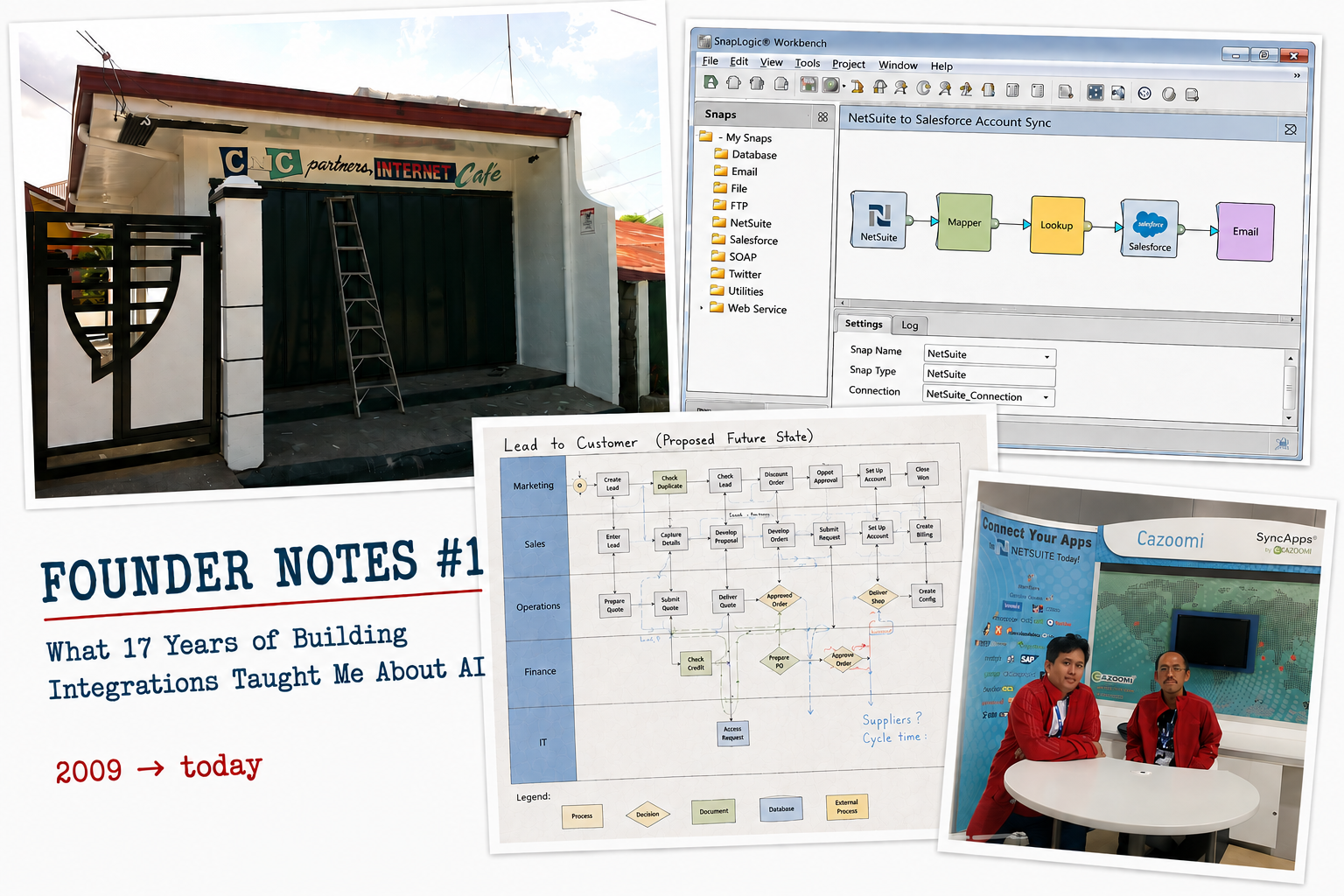
is a marketing entrepreneur with over 25 years of experience and has successfully grown several 7 to 8-figure businesses. He is also skilled in using NetSuite and Salesforce. Currently, running Cazoomi for over 17 years and based in the Philippines.
5 minute read
I’ve been wondering lately if it even matters how companies manage their data anymore. With everything moving so fast, and tools getting smarter by the day, it feels like the details shouldn’t matter as much as they used to. But the more I think about it, the less sure I am.
Not long ago, the goal was simple. Get your data into Salesforce, run reports, try to keep things somewhat clean, and move on. Now everything feels different. Systems connect faster. Insights show up instantly. You can ask questions and get answers without digging through anything. It feels like we’ve moved past needing to care about how things actually work underneath. And for a while, that assumption holds. Until it doesn’t.
The answers are close, but not quite right. The insights look useful, but don’t fully match reality. Someone asks a simple question like who actually engaged with a campaign, and the system hesitates in ways that are hard to explain.
What’s happening isn’t a tool problem. It’s a data problem that’s become harder to ignore.
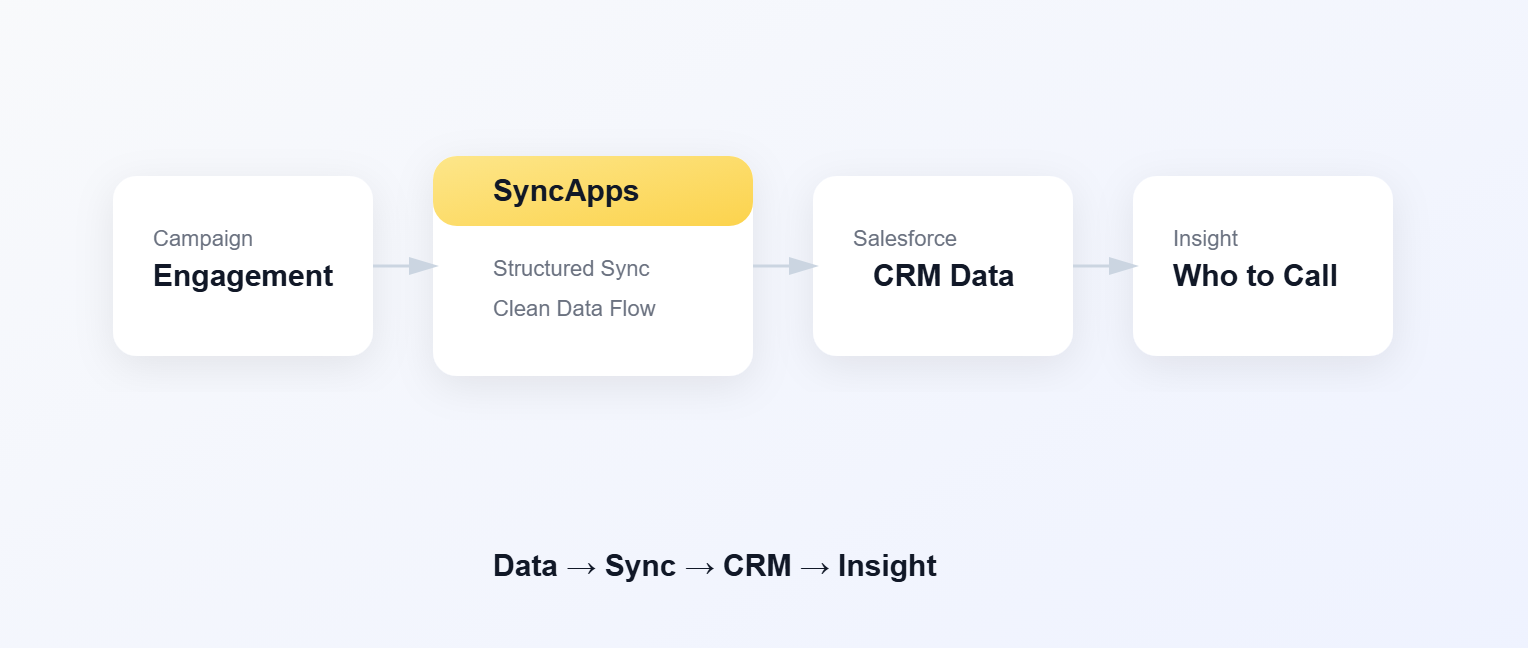
There’s a group of teams that operate a little differently, and you can usually spot them once you know what to look for. They still care about how Campaign Members are created, how engagement flows back into Salesforce, how marketing and CRM systems stay aligned, and how data actually represents what happened. They don’t assume things will get fixed later. They make sure things are structured correctly from the start.
On the surface, that can look slower. More deliberate. Maybe even unnecessary in a world where everything feels automated.
But in practice, it creates something most teams are quietly missing now, which is trust in the data.
At Cazoomi, we see this constantly. Teams connect systems like Mailchimp and Salesforce, and technically everything is working. Emails go out. Contacts exist in both places. APIs are connected. But when sales asks who they should follow up with, the answer isn’t clear inside Salesforce. Not because the data doesn’t exist, but because it was never structured in a way that makes it usable. That’s usually when people start digging and realize they’re looking at two different versions of reality depending on which system they trust.
A lot of this shows up around something as simple as Campaigns. The audience you build is not always the same as the activity you later need to understand, and that gap is where reporting starts to drift. We see it all the time when teams assume connected systems are telling the same story, when really they’re tracking different moments in that story.
If you’ve ever seen new Campaigns appear after sending emails, this explains why.
This is also where a lot of assumptions start to break down. Systems can be connected, but that doesn’t mean they’re aligned. Data can exist in both places, but that doesn’t mean it tells the same story.
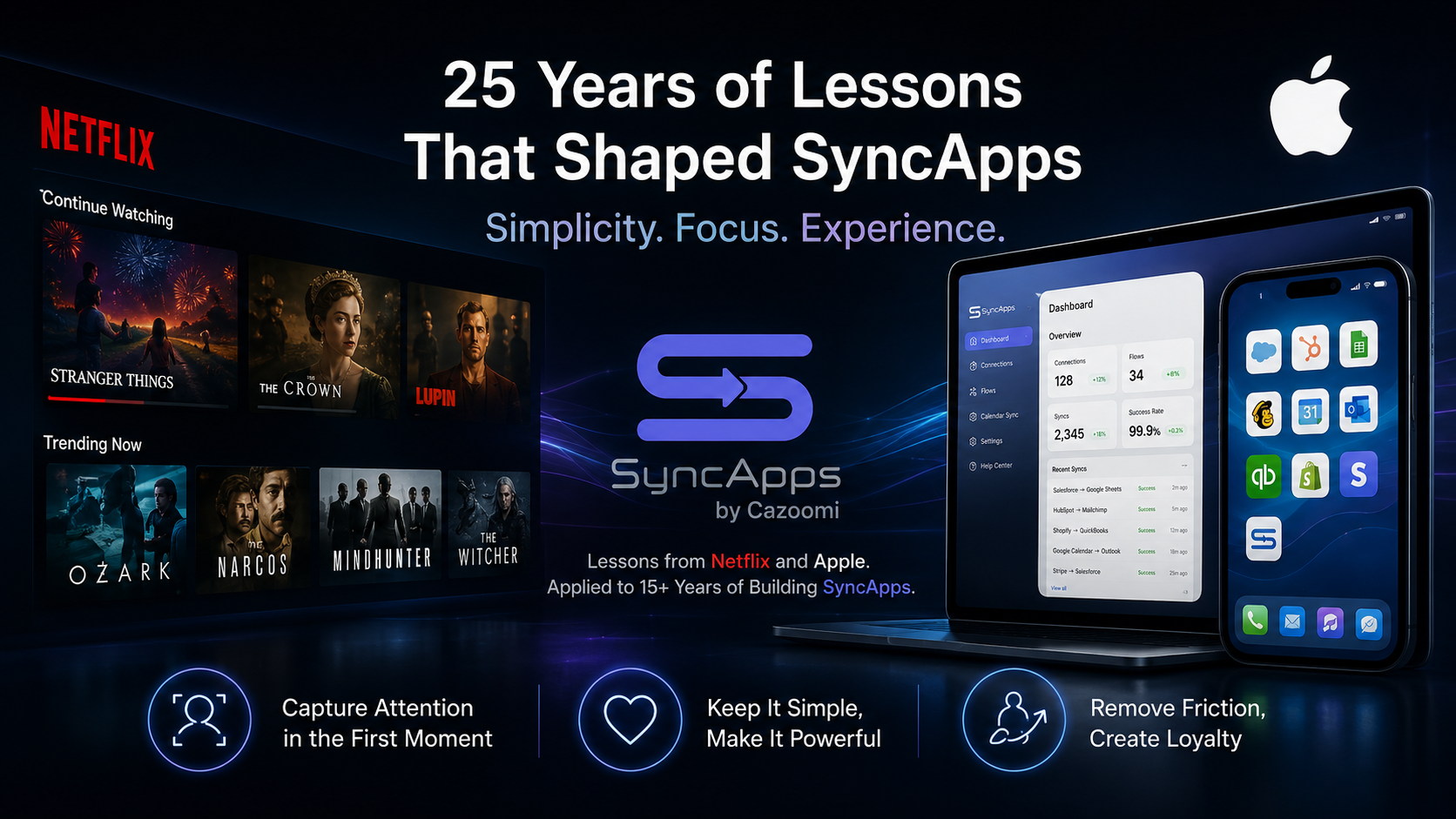
We use AI heavily inside SyncApps as well. It’s not something we’re pushing against. It’s something we’re building with. But what it actually does is not replace the work. It compresses it. What used to take hours now takes minutes. What used to be hidden is now obvious. You see what matters faster, and you decide faster.
But the quality of what you see still depends entirely on the data underneath.
When data is synced correctly, AI can immediately surface which contacts are active, which campaigns are driving responses, and where sales should focus. That’s where it delivers real value. Not by replacing systems, but by making connected systems usable.
This is where integration quietly becomes the difference. Not just connecting systems, but structuring how data moves between them. When Campaign Members sync properly into Mailchimp and engagement flows back into Salesforce, you’re no longer guessing. You can see who opened, who clicked, who engaged, and who matters. And if that data isn’t visible in Salesforce, it’s often not a syncing problem but a configuration one, which is why things like proper Campaign Member setup still matter:
Most teams don’t have a tooling problem. They have a data alignment problem.
What’s changing now isn’t whether smarter systems are useful. That part is already clear. What’s changing is how quickly bad data gets exposed. Before, gaps in your CRM could hide inside reports or go unnoticed until someone questioned the numbers. Now those gaps show up immediately. You ask a question and the system gives you an answer that feels slightly off. That moment of hesitation is where most teams realize something underneath isn’t aligned.
There’s a quiet divide forming because of this. On one side are teams trying to get more out of their tools by adding more layers and more automation. On the other side are teams improving how their systems actually work together. Both are using the same technology, but only one group is consistently getting better results.
The difference isn’t the tools.
It’s the foundation.
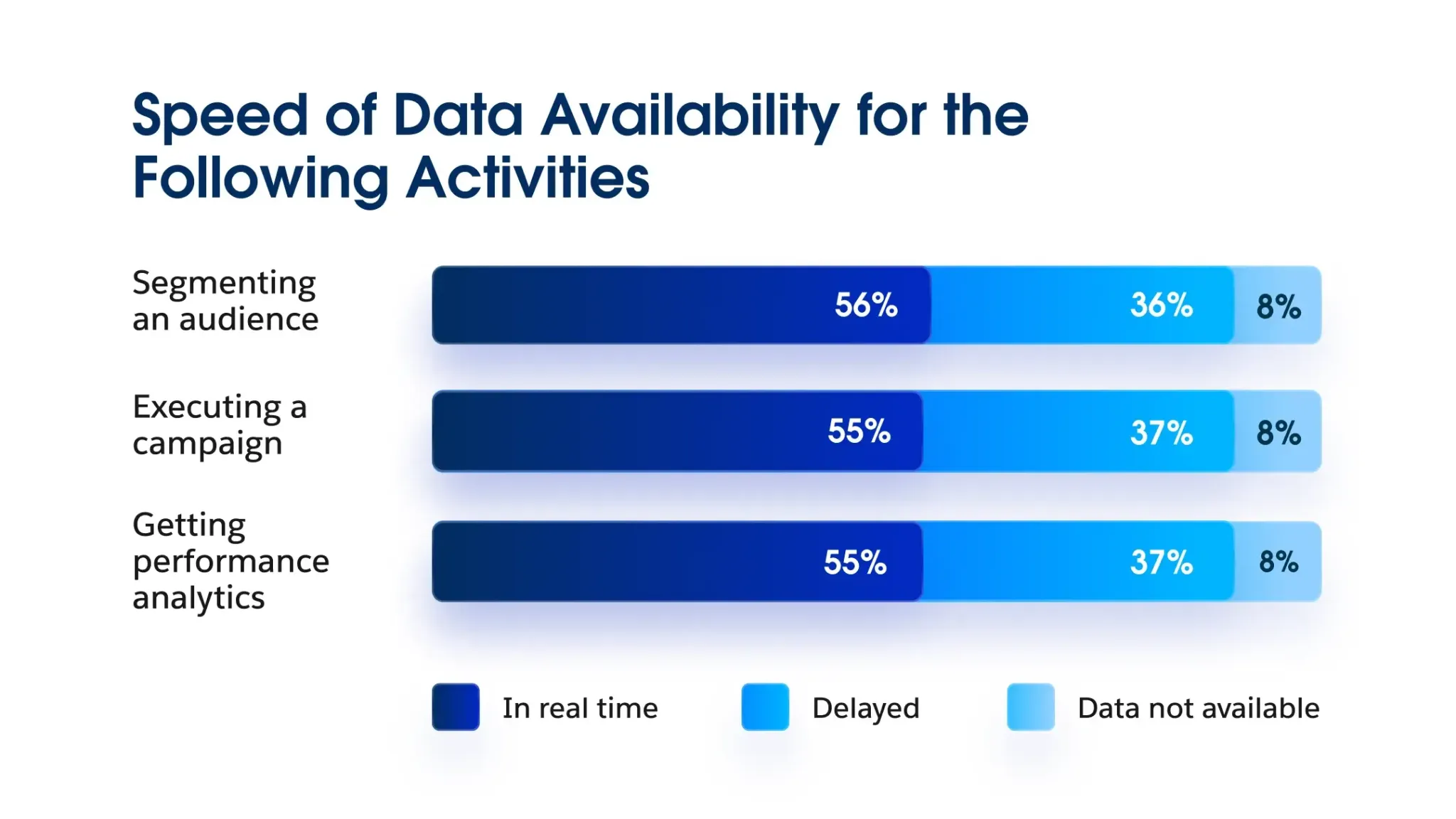
Even broader industry research is starting to reflect this. Salesforce’s own State of Marketing report highlights that one of the biggest challenges companies face isn’t access to data, but connecting it in a meaningful way across systems:
At the end of all of this, for all the progress and all the new capabilities, the most important question hasn’t really changed.
And the only way to answer that reliably is if your CRM already knows the truth.
If you’re trying to make sense of how your marketing and CRM data actually connect, that’s exactly the problem SyncApps was built to solve. No heavy lift, just making sure the data in Salesforce reflects what actually happened.