Customer story
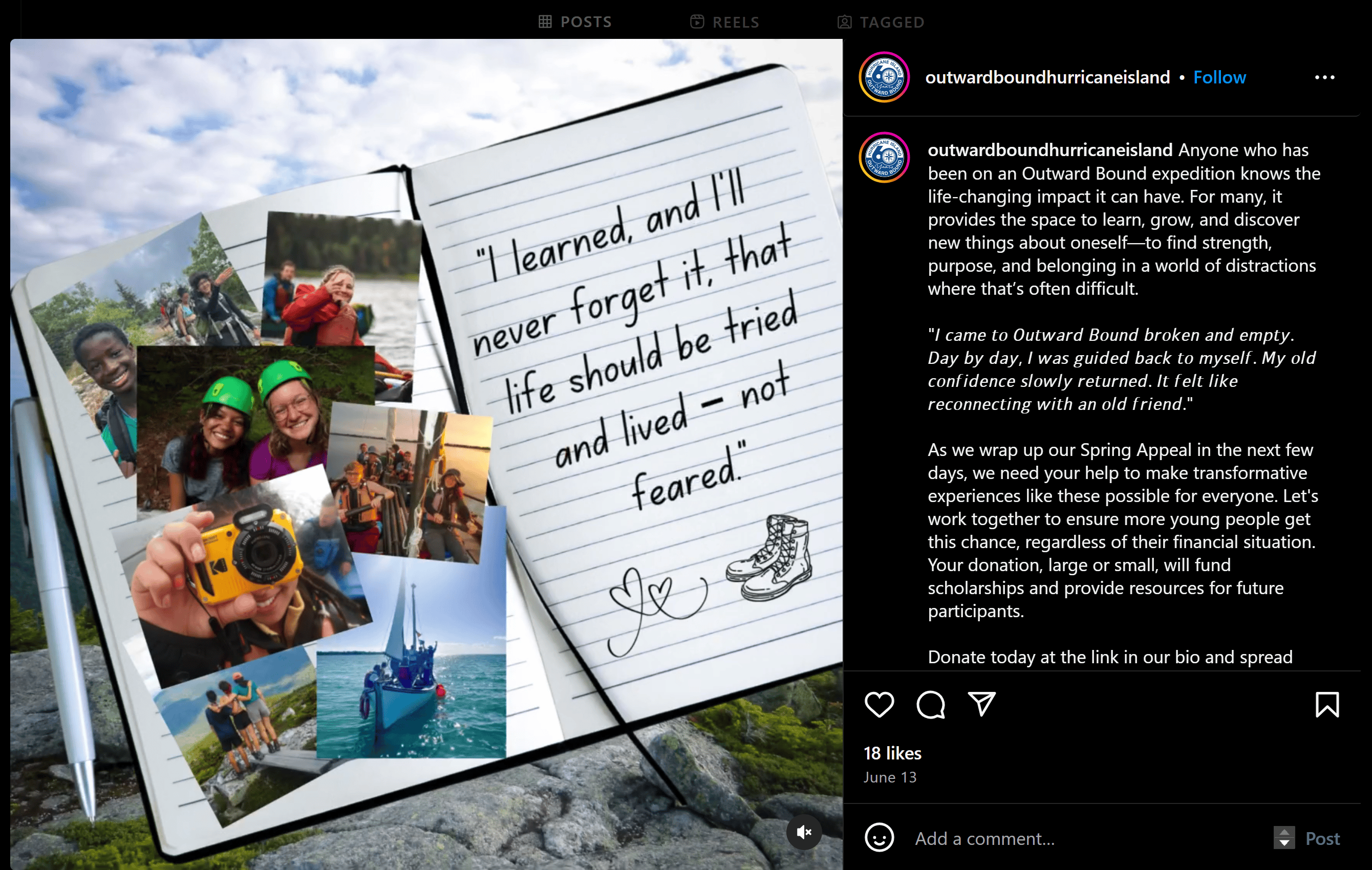
Hurricane Island Outward Bound
Hurricane Island Outward Bound's mission is to help build a more compassionate and resilient world by fostering diversity and inclusivity.
Read story

You’d be hard-pressed to find someone who works in a business or owns one who hasn’t heard about Salesforce and NetSuite, the leading CRM and the leading ERP, respectively. Since they are so well-known, why are we even bothering with a Salesforce versus NetSuite comparison, you ask?
Well, for two reasons:
Or could you use both Salesforce and NetSuite? We’ll see!
At SyncApps, we have helped over 25,000+ subscribers integrate Salesforce and NetSuite with each other or with support and marketing automation platforms. Dealt with 1,000s of NetSuite and Salesforce support cases, implemented 100s of custom SyncApps solutions, and implemented over 100+ NetSuite and Salesforce projects in the past 15+ years, so it’s safe to say we know both platforms inside and out — literally.
So, if you’re torn between Salesforce and NetSuite, or wondering if you can use both, keep reading. We’ll get to the bottom of this together.
We’ll get to the comparison in a few minutes (seriously, we’ve timed how long it takes to read). Before that, a quick primer on each solution.
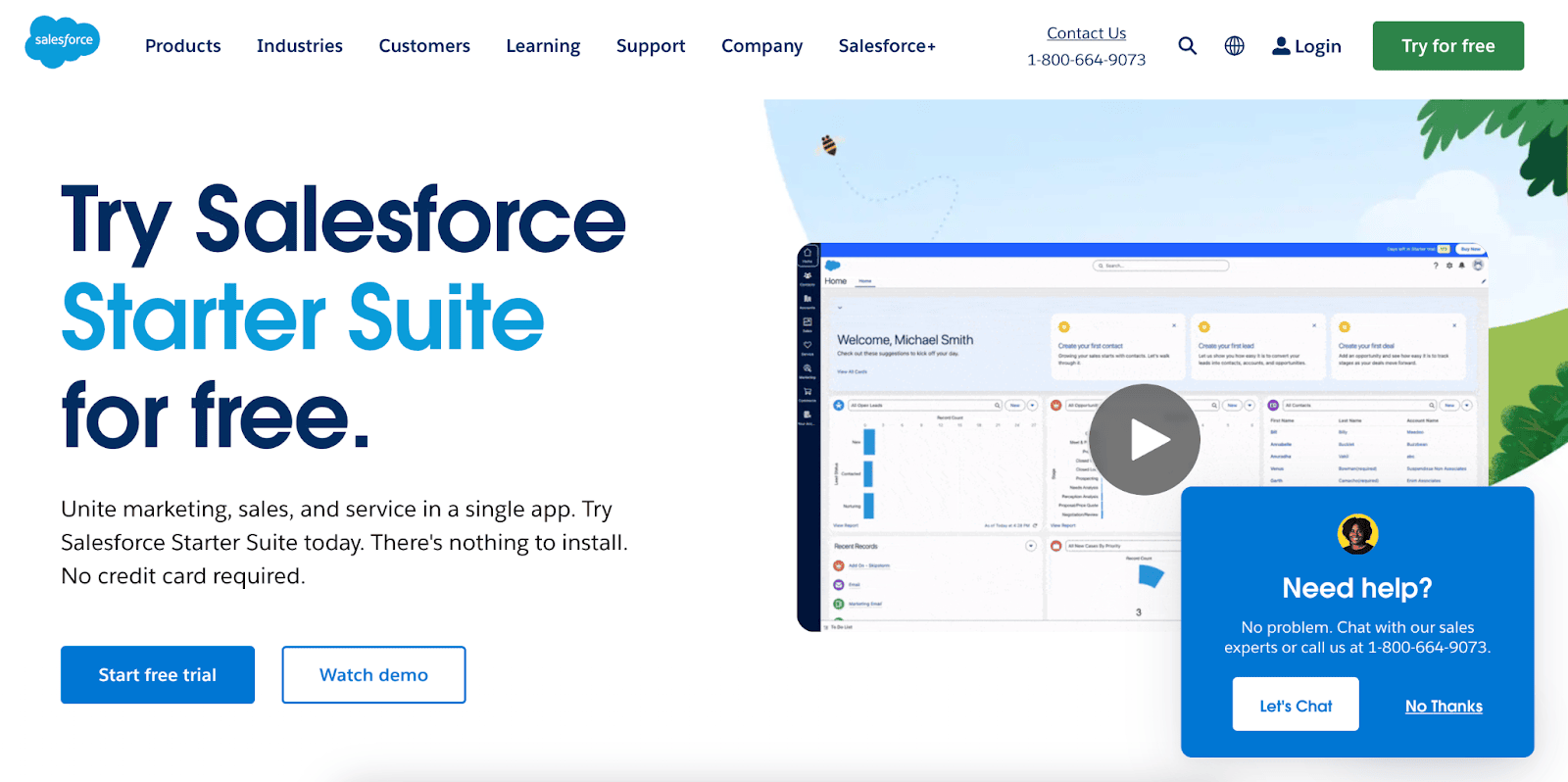
Since its launch in 1999, Salesforce has grown into the world’s largest CRM platform, boasting more than 150,000 customers globally (this number has been relatively unchanged for almost a decade now). Its flagship product, Sales Cloud, enables businesses to manage customer data, sales pipelines, and communication channels efficiently. Over time, Salesforce has expanded into a multi-functional platform offering a range of tools like Service Cloud, Marketing Cloud, NPSP (Nonprofit Success Pack), and Commerce Cloud.

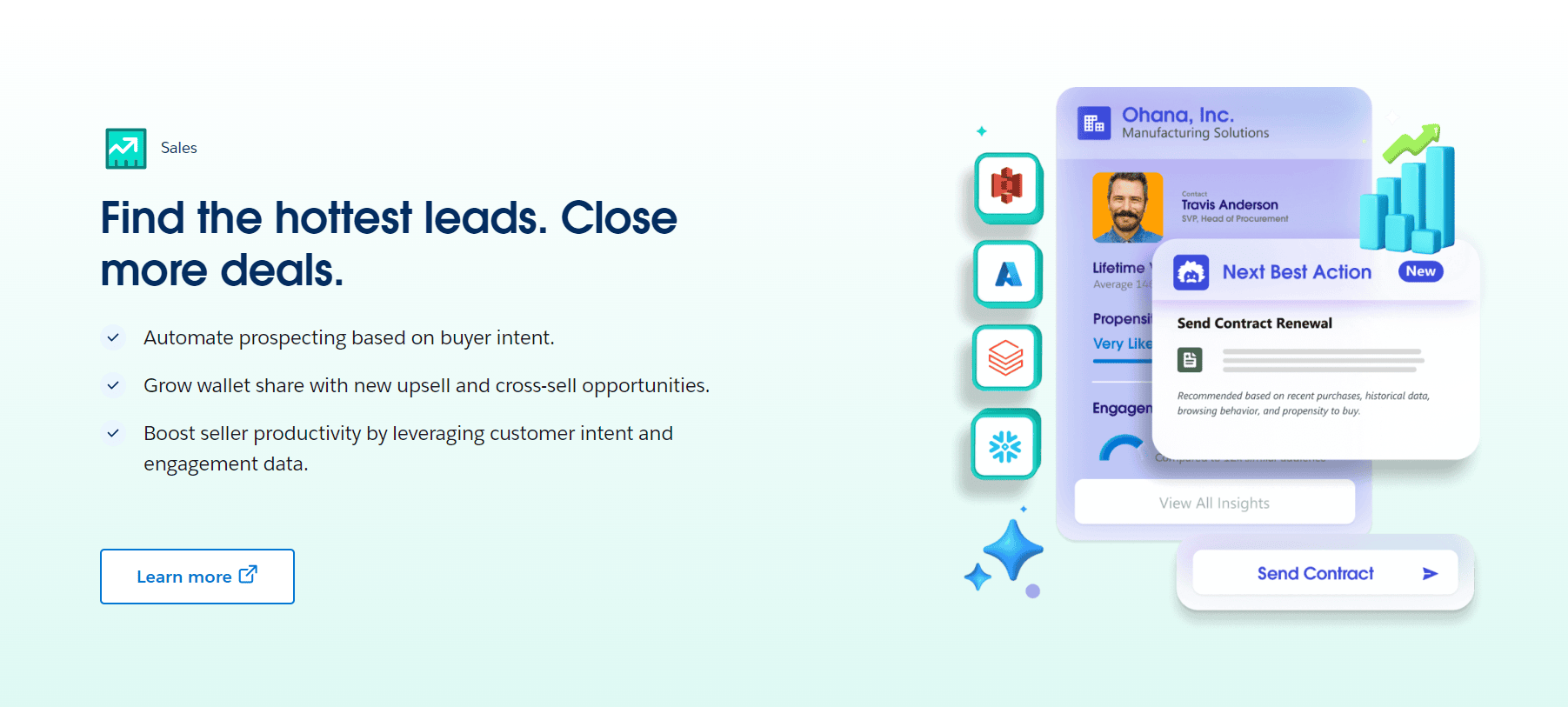
Wondering if Salesforce is right for you or if you should opt for NetSuite instead?
Salesforce is the preferred solution for customer-centric businesses that require in-depth tracking of customer interactions, particularly those in industries such as retail, financial services, healthcare, nonprofits, and technology.
Its scalability makes it suitable for businesses of all sizes, from startups to large enterprises.
Already using Salesforce? Get the most out of it by integrating it with your other mission-critical platforms, like marketing automation solutions.
Explore Salesforce integrations here and get started for free
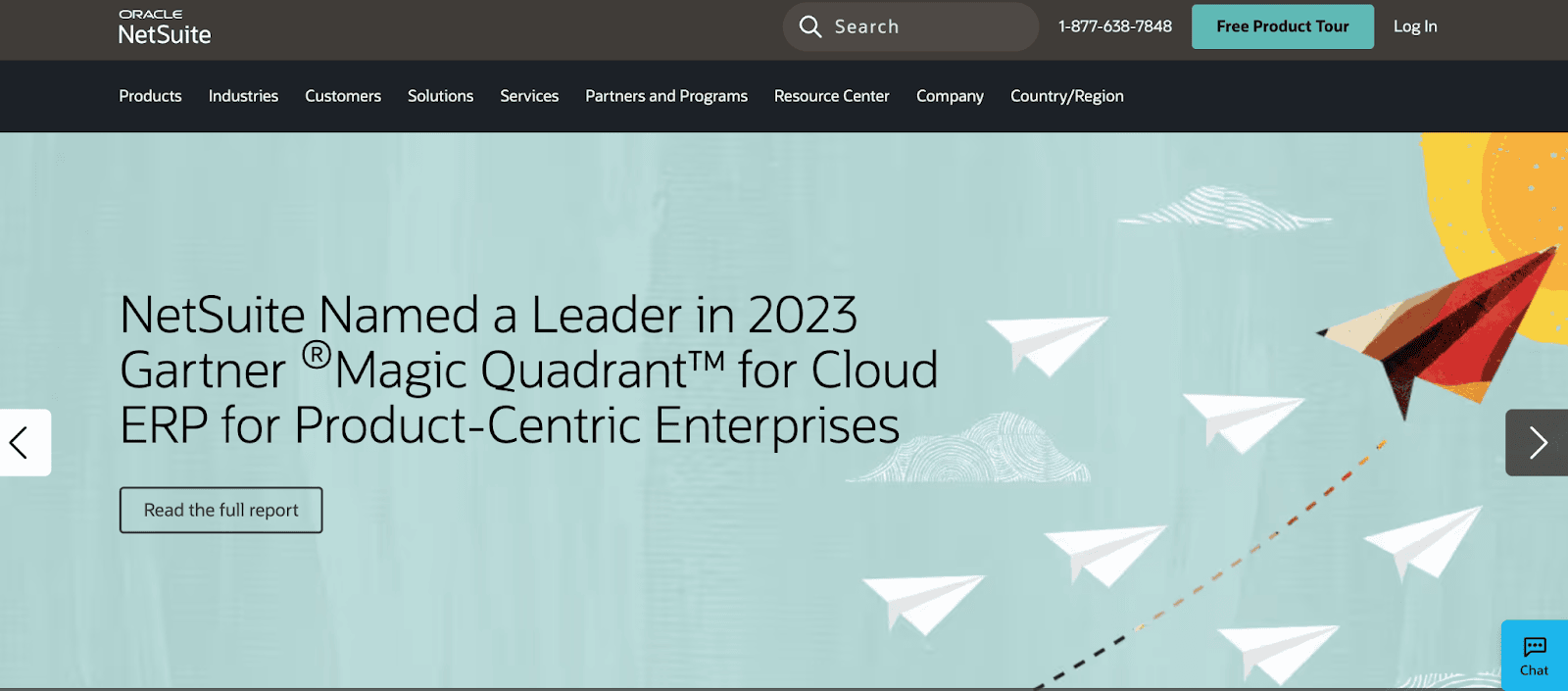
Acquired by Oracle in 2016, NetSuite is widely recognized as one of the best ERP solutions available. With over 32,000 businesses (about the same for nearly a decade, too) using the platform, it offers a complete suite of tools for financial management, supply chain operations, human resources, and eCommerce.
NetSuite is the ideal ERP solution for mid-sized businesses and growing enterprises that need robust tools to manage internal processes. It’s particularly suited for industries like manufacturing, wholesale distribution, retail, and professional services.
Already on NetSuite? If your data is siloed between NetSuite and your marketing automation platforms, you’re missing out on a lot of opportunities! Bring them together seamlessly with an integration solution that removes data siloes and fuels data-driven campaigns.
Start integrating NetSuite with Constant Contact, Mailchimp, and more
OK, so we’ve covered the ideal clients for both NetSuite and Salesforce. However, the world is not ideal and you don’t have to fit that profile to a T.
Let’s dig deeper and look at use cases, similarities and differences.
Though Salesforce and NetSuite are both cloud-based, they serve distinctly different purposes. Below is a comparison of their key similarities and differences:
NetSuite and Salesforce are not cheap. At all! So why not leverage them to the fullest?
Integrate them with your marketing automation platforms so you can have bidirectional data flows, perfectly-targeted campaigns and insights a click away.
Let’s look at what really matters: how their customers see both platforms.
When comparing two platforms, it’s crucial to look beyond the technical features and consider the feedback of actual users. Sites like G2.com provide valuable insights from businesses that use these platforms day-to-day, highlighting both the advantages and the areas where each software could improve.
On G2.com, Salesforce holds a strong rating of 4.3 out of 5, with many users praising its robust CRM capabilities and ease of use for managing customer relationships.
NetSuite also boasts a solid rating of 4.1 out of 5 on G2.com, with users highlighting its comprehensive ERP functionalities and real-time visibility into financials and inventory.
The final round in our clash of titans — one last way to choose Salesforce versus NetSuite:
The choice between Salesforce and NetSuite depends largely on your business’s operational focus. While Salesforce excels at customer-facing processes, NetSuite is a powerful tool for managing internal operations. Let’s break down the scenarios in which each platform shines:
Two powerhouses in a single company? Isn’t that overkill?
Well, it might be, especially since these are not inexpensive solutions, as we’ve just seen. However, there are some use cases where it makes sense not to choose between Salesforce and NetSuite but to use them together.
Do any of the things below sound like you?
Decided you want to use both? Cool, let’s leverage them to the fullest!
A challenge with using both platforms is ensuring data consistency across systems. This is where we, SyncApps, come into play.
SyncApps offers an efficient and user-friendly way to integrate Salesforce with NetSuite, synchronizing data like customer records, financial information, and sales metrics. This integration ensures that both platforms operate in harmony, reducing manual data entry and eliminating duplicate records.
Here’s what you can do with the Salesforce to NetSuite integration:
Here’s what our customers love the most about the Salesforce to NetSuite integration:
Salesforce and NetSuite are both powerful platforms, each with its own strengths. Salesforce is the leading CRM solution, making it ideal for businesses focused on customer relationships, sales, and marketing. On the other hand, NetSuite’s ERP capabilities make it an excellent choice for businesses with complex operational needs, particularly in areas like financials, inventory management, and supply chain optimization.
For businesses that require both CRM and ERP functionality, using Salesforce and NetSuite together can provide a complete solution that covers both front-office and back-office operations. By integrating these platforms with SyncApps, you can eliminate data silos, automate workflows, and ensure a seamless flow of information between departments.
Whatever you choose, SyncApps will help you get the most out of your technology stack by providing an efficient and user-friendly integration solution. Whether you need to connect Salesforce with NetSuite, or integrate either platform with marketing automation tools like Mailchimp or Constant Contact, SyncApps makes it easy to create an interconnected business ecosystem that drives growth and efficiency.
Ready to make the most out of Salesforce, NetSuite, or both?
Start here! Or book a time with our team to review your choices.
Explore Salesforce and NetSuite integrations
See how organizations use SyncApps to keep their CRM and marketing records aligned.
Hurricane Island Outward Bound's mission is to help build a more compassionate and resilient world by fostering diversity and inclusivity.
Read story
Qsource uses Salesforce for its contact management and Constant Contact for its marketing automation efforts. Automating both saved $1000s.
Read story
"Apartment Buildings that Outperform" book author Chris Davies is killing it with Mailchimp and Apto integration.
Read story
Sidney Garber uses Salesforce and Klaviyo which helps the luxury jewelry retailer keep tabs on their existing customers and easily follow their sales metrics.
Read story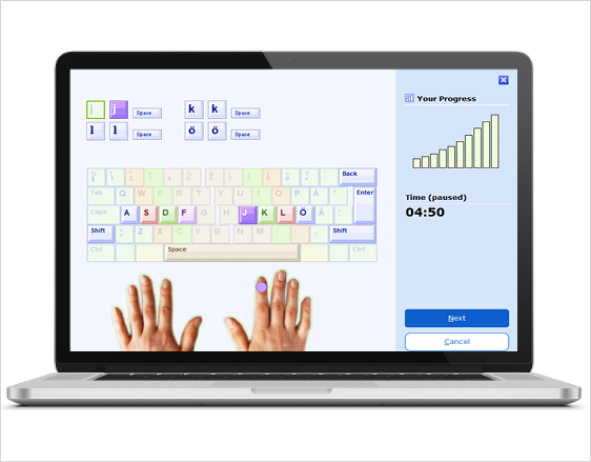
Who couldn’t benefit from improving their typing speed, right? This means that virtually anyone can be a client of Typing Master.
Read story
Data Geeks Lab’s mission is so important: with the right systems in place, even understaffed nonprofits can perform well and exceed goals.
Read story
Springhill Farm uses Mailchimp for JCurve integration to help them organize data and integrate it seamlessly.
Read story
If you want truly well-targeted campaigns (like Omtis does!) don't manually import data from one solution to the other. Automate today.
Read story
Power Monitors implements an automation solution that combines valuable NetSuite insights and helps them understand their buyers’ behavior.
Read story
Jendco Safety Supply streamlines its communication with existing and potential customers quickly and effectively using SyncApps workflow.
Read story
Let’s take a close look at how Paragon Stairs masters not only their sales activity but also their marketing segmentation with automation.
Read story
See what Absolute Advisory and their clients were able to accomplish by using Salesforce and Constant Contact integration workflows.
Read story
Raven has had long-term success in the IT competitive landscape using software and services for their clients. See how SyncApps helped them.
Read story
Eskaton chose SyncApps to integrate their data via Constant Contact for Salesforce since we donate 50% to their nonprofit! See why.
Read story
Like many companies in the medical industry, Medical Associates Consulting relies on SyncApps to provide integration for their organization.
Read story
Check out what Seven Miles achieved with Mailchimp for NetSuite integration to manage their thriving coffee business.
Read story
Check out the features that Kitchen Table Advisors relies on every day: Mailchimp for Salesforce helps their organization sync in real-time.
Read story
Let’s take a closer look at how Fitness SF uses Constant Contact for Salesforce integration to increase revenue and save time.
Read story
Transcendental Meditation chooses NetSuite for iContact automation to grow their worldwide student base and save $1000s of dollars per year.
Read story
Great Clips uses Claims Based ADFS with their 365 integration for Constant Contact and Dynamics 365 for filtering and segmentation workflow.
Read story
Here's why, like hundreds of other companies in the medical industry, Kaiser Permanente relies on Constant Contact for Salesforce automation.
Read story
Check out how RB.com effortlessly implements GDPR compliance, which allows global marketing of their brands with confidence using Shopify.
Read story
Zendesk for NetSuite integration takes Freely to the next level to achieve superior support, save time and boost sales.
Read story
World Wide Fund for Nature (WWF) needs very little introduction. The organization has used Mailchimp to boost its marketing. See how.
Read story
Encore.org uses Mailchimp for Salesforce integration to get their messages out -- people who can help re-shape tomorrow’s society.
Read story
smarterBATHROOMS+ has been highly competitive in the house renovation business by adapting to the evolving customer needs. Enter SyncApps!
Read story
AIGA use Mailchimp and Salesforce to stay on top of their communication with members in their 70+ chapters.
Read story
The Meyler Capital story is proof that automation using Act-On and Zoho CRM workflows works wonders for the finance industry. See how.
Read story
The Denver Museum of Nature and Science needed a way to automate data flows, all without losing the human touch and the personalization.
Read story
CivicMakers believes in working smart - which is why they’re making use of Zoho CRM and Mailchimp automation to manage their organization.
Read story
Nexus Community Partners works closely with communities for socio-economic development. Find out how they manage their data integration.
Read story
PCI Enterprises integrates Infusionsoft for NetSuite to manage sales and marketing workflows on a daily basis. See how.
Read story
Y2 Yoga segments clients in Infusionsoft as different Tags and in Mailchimp as different Groups from Mindbody data. See how they do it.
Read story
With Salesforce and Mailchimp, Upstream USA is able to manage subscriptions of their clients via checkbox field mapping workflows. See how.
Read story
United Cellars is able to sync records from NetSuite to Mailchimp using Dynamic Saved Searches and monitor marketing metrics with ease.
Read story
Zellis is able to move critical data from HubSpot to NetSuite and use Field Mapping to map GDPR, custom opt-out, and subscriber preferences.
Read story
Fordham University needed an integration platform for its marketing segmentation purposes between SugarCRM and Mailchimp. Saves $1000s/year!
Read story
SodaStream automates tickets from Zendesk into NetSuite for their USA subsidiary and others using Zendesk to power their support business.
Read story
The Vines of Mendoza is able to gain sales and insights by integrating its Propertybase with its email marketing software, Mailchimp.
Read story
Rémy Martin, with their Bruichladdich, Cointreau, and Rémy Martin brands runs on Mailchimp and Salesforce to boost sales.
Read story
PBS is able to enhance its business processes by integrating Salesforce with its email marketing software, Mailchimp. See how.
Read story
Cascade Bicycle Club is able to sync opt-outs from Mailchimp to Salesforce automatically and handle clients. See how today!
Read story
Nexell uses the SyncApps Agency plan where they can manage their client's Mailchimp, HubSpot, and Constant Contact for Salesforce workflows.
Read story
Murray’s Cheese integrated NetSuite for Mailchimp and streamlined its marketing campaigns and workflows using automation.
Read story
Motorcycle Relief Project uses NetSuite integration to help them save time and eliminate extra hours of manual input of information.
Read story
#1 Lagree fitness studio class powerhouse in Manila turns to Mailchimp automation to reach more fans in the Health and Wellness industry.
Read story
United Way is the world's largest privately-funded Nonprofit Organization and they integrate using Salesforce and Mailchimp for cost savings.
Read story
MATR BOOMIE is a wholesale fair trade collection from India who solved their checkout integration using NetSuite to Mailchimp integration.
Read story
TalentLMS and Salesforce automation make sure QSAC students get the best services they need and saves time for this nonprofit. See how.
Read story
Monticello Motor Club (MMC) was missing out on a big opportunity - an integration to help them thrive on Constant Contact for Salesforce.
Read story
Zensah has transformed into a robust eCommerce store with the help of NetSuite and Constant Contact's integration for eCommerce automation.
Read story
Promag Enviro, a leading supplier for the water and wastewater treatment industry, automates its daily workflow with NetSuite and Mailchimp.
Read story
The Green Economy aims at delivering content that can help businesses and partners measure content impact. Zoho CRM automation plays a part.
Read story
Elissa Leif and Barbara Haupt knew that in order to continue to grow MiniMatters, their integration of CRM was key. See how they did it!
Read story
JCurve maintains an intricate support process for their NetSuite as well as for their Zendesk system. See how they integrate both today.
Read story
CRH is a regional, national and international leader in building materials. They use Mailchimp for Salesforce to automate their business.
Read story
Core40 is a fusion of many of the core-focused workout styles and needed to integrate Mindbody into Infusionsoft to keep up with its growth.
Read story
UNICEF promotes the rights and well-being of every child, in everything they do. Integrating Mailchimp and Dynamics 365 boosted donations.
Read story
Before integrating their software with SyncApps they used a lot of custom coding for Dynamics 365 and Mailchimp. Time-Savings!
Read story
The National Association of Corporate Directors, NACD, integrates Salesforce and Constant Contact to solve issues around productivity of NACD members.
Read story
Thos. Baker has fueled its eCommerce growth using SyncApps to integrate using NetSuite and Mailchimp. See how they do it!
Read story